
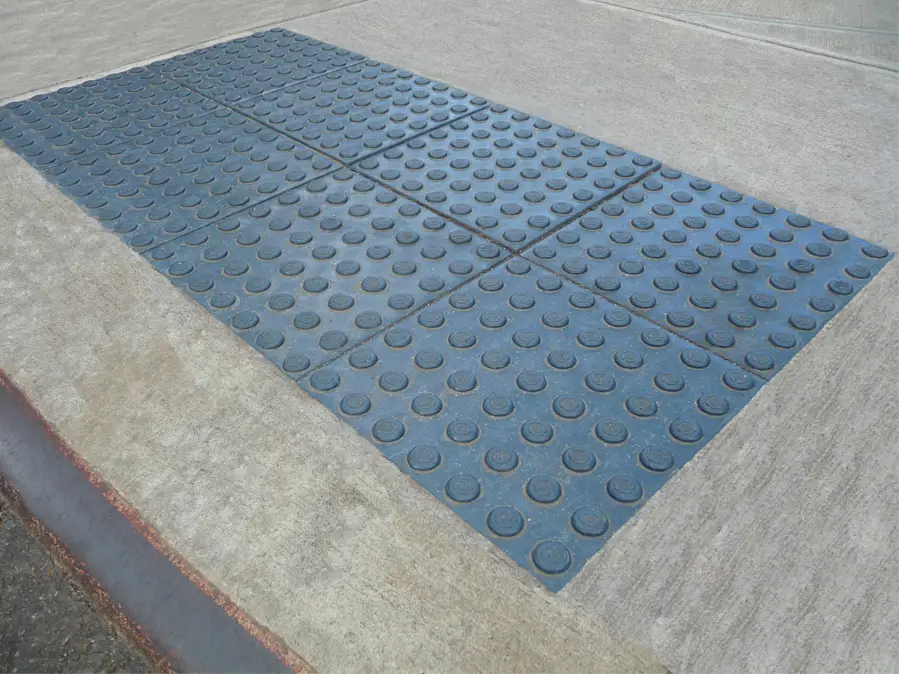
ADA-Compliant Locks & Hardware for Maryland Offices
Accessibility and security go hand in hand when it comes to Maryland office buildings and commercial spaces. The Americans with Disabilities Act (ADA) requires all public and commercial properties to provide accessible entrances and door hardware for individuals with disabilities. For business owners, this means that the locks and handles you choose aren’t just a matter of convenience — they’re a legal and ethical obligation. In this guide, we’ll break down what ADA compliance means for locks and doors, how to identify compliant hardware, and why working with a professional locksmith ensures your Maryland business meets all standards safely.
Understanding ADA Compliance for Door Locks
The ADA, enacted in 1990, is a federal law that prohibits discrimination against individuals with disabilities. One key aspect of ADA regulations covers **accessible design**, including doors, entryways, and locks. For Maryland offices, this means that every employee, visitor, and customer — regardless of physical ability — must be able to open doors and operate locks without unnecessary effort or special dexterity.
In simple terms, ADA-compliant door hardware must be easy to grasp, turn, or operate with one hand and without tight grasping, pinching, or twisting of the wrist. This applies to interior and exterior doors, restrooms, break rooms, and any accessible route within your building.
What Makes a Lock or Door ADA-Compliant?
To be ADA-compliant, door locks and handles must meet specific design and performance standards defined by the U.S. Access Board and adopted by the Department of Justice. The key requirements include:
- Easy operation: The lock must not require more than 5 pounds of force to activate.
- One-hand use: Doors and locks must be operable with one hand, without twisting or gripping tightly.
- Height placement: Locking hardware must be installed between 34 and 48 inches above the finished floor.
- Shape and design: Lever handles, push bars, or U-shaped pulls are preferred over round knobs.
- Keyed locks: Keys or locking devices should be usable without tight pinching or fine motor skills.
- Automatic or power-assisted doors: In certain settings, such as large offices or healthcare facilities, powered door operators may be required for full compliance.
These guidelines are designed to ensure that individuals with mobility impairments, arthritis, or limited hand strength can access your facility safely and independently.
Why ADA Compliance Matters for Maryland Businesses
ADA compliance isn’t just about avoiding fines — it’s about creating an inclusive, professional environment. Maryland businesses that fail to meet ADA standards risk potential legal penalties, loss of customers, and damage to their reputation. Non-compliance can result in lawsuits filed by individuals or enforcement actions by the U.S. Department of Justice.
Beyond legal obligations, ADA-compliant door hardware improves everyday convenience for all employees and visitors. Lever-style handles, for example, are easier to use for everyone — not just those with disabilities. It’s a simple way to make your workspace safer, more comfortable, and more welcoming.
Common ADA-Compliant Lock and Hardware Types
Several types of commercial locks and door systems meet ADA standards when installed correctly. A professional commercial locksmith can help you choose the right hardware based on your building layout, industry, and compliance needs. Here are some of the most common options:
1. Lever Handle Locks
Lever handles are the most common ADA-compliant option. Unlike round knobs, levers can be easily pushed down or pulled open using the palm, elbow, or side of the hand — ideal for people with limited grip strength.
2. Push/Pull Paddles
Push and pull paddles are popular in healthcare, retail, and office environments where hands-free operation is helpful. These paddles can be used with minimal pressure and without twisting, meeting both ADA and safety requirements.
3. Panic Bars and Exit Devices
Panic bars (also called crash bars or exit devices) allow doors to open quickly during emergencies. ADA-compliant models require low operating force and can be opened with one hand, ensuring safe and accessible egress for all occupants.
4. Keyless and Electronic Access Systems
Keypads, RFID card readers, and smart locks can all be ADA-compliant when mounted at proper heights and designed for single-hand operation. Many businesses across Maryland now use access control systems to streamline entry while maintaining ADA standards.
5. Automatic Door Operators
Automatic door openers are not required on every door, but they are strongly recommended for heavy or frequently used entryways. They help meet ADA guidelines by eliminating the need for physical effort. Many Maryland offices install these at main entrances or interior corridors to enhance accessibility and meet both ADA and local building code expectations.
How Maryland Codes Work with Federal ADA Standards
Maryland follows federal ADA requirements but may also incorporate additional local regulations under the Maryland Accessibility Code (COMAR 05.02.02). Business owners should ensure their locks, handles, and entry systems meet both federal and state standards.
Key takeaways for compliance include:
- All accessible doors in public or employee areas must meet ADA and Maryland building code requirements.
- Doors with security systems (e.g., card readers) must not create barriers to those with disabilities.
- Renovations or remodels trigger updated ADA compliance checks — even if your original building predates the law.
Working with a licensed Maryland locksmith familiar with both ADA and state codes ensures your property remains fully compliant and audit-ready.
How Locksmiths Help with ADA Compliance
Professional locksmiths play a crucial role in making commercial buildings ADA-compliant. They don’t just install locks — they assess your entire door and entry system for accessibility. Here’s how they help:
- Compliance assessment: Locksmiths evaluate existing hardware, handle height, and ease of operation.
- Hardware upgrades: They recommend and install compliant levers, push bars, or electronic access systems.
- Door alignment and maintenance: Ensuring doors open smoothly and require minimal force.
- Integration: Locksmiths can integrate ADA locks with existing key control or security systems.
For Maryland offices, locksmiths like Pro Mobile Locksmith offer full-service consultations and installations that align with ADA standards and local building codes, ensuring your workplace remains secure and accessible.
Benefits of ADA-Compliant Locks Beyond Compliance
Upgrading to ADA-compliant locks isn’t just a legal box to check — it also provides practical benefits for your business:
- Enhanced accessibility: Easier entry for all employees, clients, and visitors.
- Improved safety: Panic bars and lever handles allow faster exits in emergencies.
- Better aesthetics: Modern ADA-compliant hardware often complements commercial design trends.
- Reduced maintenance: High-quality commercial hardware lasts longer and operates more reliably.
- Positive public image: Demonstrates your business’s commitment to inclusivity and professionalism.
These advantages make ADA upgrades one of the most impactful investments for property owners and facility managers in Maryland.
Common Mistakes That Lead to Non-Compliance
Even with good intentions, many businesses unknowingly fall short of ADA standards. Some common mistakes include:
- Installing locks or handles too high or too low on the door
- Using knobs or thumb-turn locks that require twisting or gripping
- Failing to maintain door alignment, making operation difficult
- Placing keypads or readers out of reach for wheelchair users
- Using heavy doors without assistive openers
Regular maintenance and compliance checks can prevent these issues and save you from costly retrofits later.
When to Schedule an ADA Hardware Inspection
Businesses should schedule a lock and hardware inspection whenever they:
- Move into a new building
- Renovate or remodel existing spaces
- Notice doors becoming difficult to open or align
- Expand staff or customer access areas
Periodic assessments by a commercial locksmith ensure ongoing compliance and allow proactive maintenance before small issues escalate.
FAQs
Q: Do all commercial doors in Maryland need to be ADA-compliant?
A: Yes, all publicly accessible entrances and key internal doors must meet ADA standards for accessibility, including operable hardware and height placement.
Q: Can electronic access systems be ADA-compliant?
A: Absolutely. Keypads, card readers, and biometric systems can meet ADA requirements when installed at accessible heights and designed for single-hand use.
Q: What happens if my office doesn’t meet ADA lock standards?
A: Non-compliance can lead to fines, legal action, or required retrofits — often more expensive than preventive upgrades.
Q: How long does it take to upgrade locks for compliance?
A: Most locksmiths can retrofit standard office doors within one business day, depending on the number of doors and type of hardware.
Q: Does ADA compliance apply to employee-only areas?
A: Yes. The ADA covers all work areas that are part of an accessible route, including offices, restrooms, and break rooms.
Summary
ADA-compliant locks and hardware are essential for creating accessible, safe, and professional office environments. For Maryland businesses, compliance not only fulfills federal and state requirements but also supports inclusivity and customer trust. Partnering with an experienced commercial locksmith ensures your doors meet ADA standards for design, height, and functionality — protecting your business and everyone who walks through your doors.
Need a Reliable Locksmith?
Ensure your Maryland office is ADA-compliant with professional help from Pro Mobile Locksmith. Call (301) 804-2201 or visit our contact page to schedule an inspection or hardware upgrade. We’re open 7 days a week and proudly serve businesses throughout Montgomery County, Prince George’s County, and the greater DC area with expert ADA-compliant lock installation and service.