
The Truth About Transponder Key Programming in Maryland
If you’ve ever replaced a car key made after the mid-1990s, you’ve likely heard of “transponder key programming.” Modern vehicles rely on chip-based keys for enhanced security — but that also means replacing or reprogramming one isn’t as simple as cutting a new metal key. Many Maryland drivers assume they must go to a dealership for transponder service, but professional locksmiths can handle the job just as effectively — often faster and at a better value. Here’s what you need to know about transponder keys, how programming works, and why local locksmiths are the experts to trust.
What Exactly Is a Transponder Key?
A transponder key (short for “transmitter-responder”) contains a small microchip embedded in its plastic head. When you insert the key into your car’s ignition, the chip sends a coded signal to the vehicle’s immobilizer system. If the signal matches, your car starts. If not, the engine remains disabled — a powerful anti-theft feature that became standard across most vehicles by the early 2000s.
In Maryland, nearly every vehicle built after 1998 uses transponder technology, including brands like Ford, Toyota, Honda, Nissan, Chevrolet, and BMW. These keys combine mechanical security with electronic verification, making them much harder to duplicate without proper tools and authorization.
How Transponder Key Programming Works
Every transponder chip has a unique digital code that must match the car’s onboard computer. Programming ensures your new key communicates correctly with the immobilizer. Here’s how the process generally works:
- Step 1: Identify key type – The locksmith determines whether your key uses a fixed code, rolling code, or encrypted transponder system.
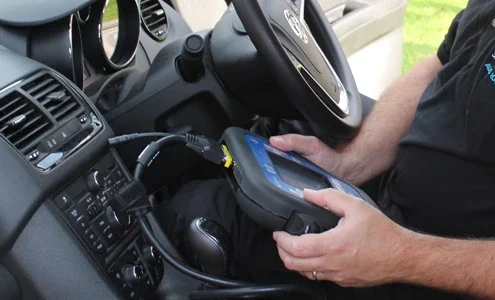
- Step 2: Access vehicle data – Using specialized diagnostic equipment, the locksmith connects to your car’s computer through the OBD (On-Board Diagnostics) port to retrieve or sync key data.
- Step 3: Program or clone the key – The transponder chip is programmed to match the car’s security code or cloned from an existing working key.
- Step 4: Test and verify – The new key is tested to ensure it starts the car and that the anti-theft light functions normally.
This process takes 20–45 minutes for most vehicles, depending on the model and system complexity.
Why Locksmiths Are Qualified for Transponder Programming
Many drivers believe only dealerships can program transponder keys. In reality, certified automotive locksmiths are trained, licensed, and equipped with the same advanced tools used by dealers. In Maryland, locksmiths who specialize in vehicle security undergo additional certification and background checks to access key programming systems safely.
Here’s why locksmiths are a smart choice for key programming:
- On-site service: Locksmiths come to you — no need to tow your car to the dealership.
- Lower cost: You avoid dealership labor and overhead fees while getting the same level of expertise.
- Faster turnaround: Most locksmiths can create and program keys on the spot.
- All-in-one expertise: Locksmiths can also fix ignition issues, rekey locks, or assist with lockouts in a single visit.
Local professionals like Pro Mobile Locksmith use OEM-grade tools and manufacturer-approved software to program keys for most vehicle makes and models in Maryland.
Common Misconceptions About Transponder Keys
Because transponder systems involve electronics, misinformation is common. Let’s clear up a few myths:
- Myth #1: “Only dealerships can program new keys.”
Fact: Licensed locksmiths can program or reprogram keys for nearly all vehicles, including luxury brands. - Myth #2: “Any locksmith can do it.”
Fact: Not all locksmiths invest in the specialized diagnostic tools or training required for transponder systems. Always choose an automotive specialist. - Myth #3: “Programming takes days.”
Fact: Professional locksmiths can typically program a key within an hour — right at your location. - Myth #4: “Programming a new key deletes old ones.”
Fact: Locksmiths can add new keys while keeping old ones active (unless requested otherwise for security reasons).
Different Types of Transponder Keys
Transponder keys aren’t one-size-fits-all. Locksmiths in Maryland encounter several types, including:
- Fixed code transponders: Use a static signal — older but still common in late 1990s vehicles.
- Rolling code systems: Generate a new signal every time the car starts for enhanced security.
- Encrypted keys: Use advanced coding that prevents cloning without manufacturer authorization.
- Remote-head keys: Combine a transponder chip and remote fob for locking and ignition functions in one unit.
Locksmiths must identify the correct transponder type before programming to avoid compatibility issues.
Signs Your Transponder Key Needs Reprogramming
Like any electronic device, transponder keys can fail or desynchronize from your car’s computer. You may need programming if:
- The car doesn’t start when the key turns
- The security light flashes or stays on
- The key intermittently works or needs multiple tries
- You’ve replaced the vehicle’s battery or ignition components
When these signs appear, contact a qualified locksmith rather than forcing the key — continued attempts can trigger anti-theft mode and lock the system entirely.
What to Expect During Locksmith Programming Service
When you call a locksmith for transponder programming in Maryland, the process is straightforward:
- Verification: The locksmith confirms your ownership and vehicle details for security purposes.
- Key cutting (if needed): A new key is cut to match your car’s mechanical lock before electronic programming begins.
- Programming: The locksmith connects diagnostic tools to sync the chip with your vehicle’s immobilizer system.
- Testing: The locksmith verifies ignition functionality and ensures no security warnings remain on the dashboard.
Most sessions take less than an hour, and you receive a fully functional, factory-quality key before the technician leaves.
Why DIY Programming Often Fails
Some online tutorials claim you can program transponder keys yourself by following simple steps — but this rarely works for modern cars. Many vehicles now require proprietary software or PIN codes unavailable to the public. Attempting DIY programming can trigger the immobilizer system, requiring professional reset and adding unnecessary cost.
Professional locksmiths use secure dealer-level diagnostic systems to safely access your car’s onboard computer without damaging data or security features. In short, DIY saves little and risks a lot.
Choosing a Trusted Automotive Locksmith in Maryland
Because transponder programming involves sensitive vehicle electronics, choosing the right locksmith matters. Here’s what to look for:
- Licensing and insurance: Verify your locksmith is licensed in Maryland and insured for automotive work.
- Specialization: Look for locksmiths who specifically offer transponder key and fob programming.
- Modern tools: The best locksmiths use up-to-date diagnostic devices and OEM-grade software.
- Local reputation: Check Google reviews and verify the company’s physical service area — avoid national call centers.
Pro Mobile Locksmith meets all these standards, serving Maryland drivers with certified technicians, fast response times, and expert on-site programming for most makes and models.
Pro Tips to Extend Your Key’s Lifespan
Transponder keys are durable, but they still need care. To keep your key working smoothly for years:
- Avoid dropping or exposing the key to water or extreme heat.
- Replace the key fob battery annually to prevent signal loss.
- Keep spare keys in a safe, dry place to avoid complete lockouts.
- Ask your locksmith to program a backup key — it’s far cheaper than emergency service later.
Preventive care keeps your key performing properly and reduces long-term costs.
FAQs
Q: Can a locksmith program my key if I’ve lost all originals?
A: Yes. Locksmiths can create and program new keys from scratch by retrieving your car’s key code through secure databases.
Q: How many transponder keys can my vehicle have?
A: Most vehicles can store between 4 and 8 programmed keys at a time, depending on the manufacturer.
Q: Is transponder programming covered by car insurance?
A: Some policies include key replacement coverage — check with your insurer to confirm.
Q: Can a locksmith erase lost or stolen keys from my car’s memory?
A: Yes. Locksmiths can remove old key codes to prevent stolen keys from starting the vehicle.
Q: How much does it cost to program a new transponder key?
A: Costs vary by vehicle and key type, but locksmiths generally offer more competitive rates than dealerships.
Summary
Transponder keys are an essential part of modern vehicle security, and locksmiths are fully equipped to program, repair, or replace them safely. Maryland drivers don’t need to rely solely on dealerships — certified locksmiths like Pro Mobile Locksmith offer fast, on-site solutions using advanced tools and trusted expertise. Whether you need car key replacement, reprogramming, or emergency help, choosing a local professional ensures your vehicle stays secure and operational.
Need a Reliable Locksmith?
If your transponder key isn’t working or you need a replacement, call (301) 804-2201 or visit our contact page to schedule a service. Pro Mobile Locksmith proudly serves Maryland drivers with expert key programming, ignition repair, and emergency automotive locksmith services — open 7 days a week for your convenience.